Burrito Brigade
Jennifer Denson — Eugene, Oregon
There are small wooden cupboards scattered throughout Eugene.
You will find them in front yards, outside churches, near schools and tucked into neighborhoods. Some are brightly painted. Some have small refrigerators beside them. Most look a little like the Little Free Libraries that have become familiar in neighborhoods across the country.
Except these aren't filled with books. They're filled with food.
There are more than 50 of them across Eugene, Springfield and the surrounding communities. Anyone can open one. Anyone can take what they need. Anyone can leave something for the next person.
It's an incredibly simple idea. And that simplicity tells you quite a bit about Jennifer Denson and Burrito Brigade.
Jennifer has lived in Eugene for most of her life. In 2014, she saw a Facebook post asking for volunteers for a small group making burritos out of a house in the Whiteaker neighborhood. She showed up.
More than a decade later, she's the executive director. And the burritos never stopped.
What started with volunteers making and hand-delivering vegan burritos to people who were hungry has grown into something much larger. Today, Burrito Brigade prepares and distributes hundreds of burritos every weekend, operates the network of Little Free Pantries and runs a food rescue program with a name that makes more sense once you've seen the place.
Waste to Taste.
Walk through the doors and the first thing that hits you is how much food there is.
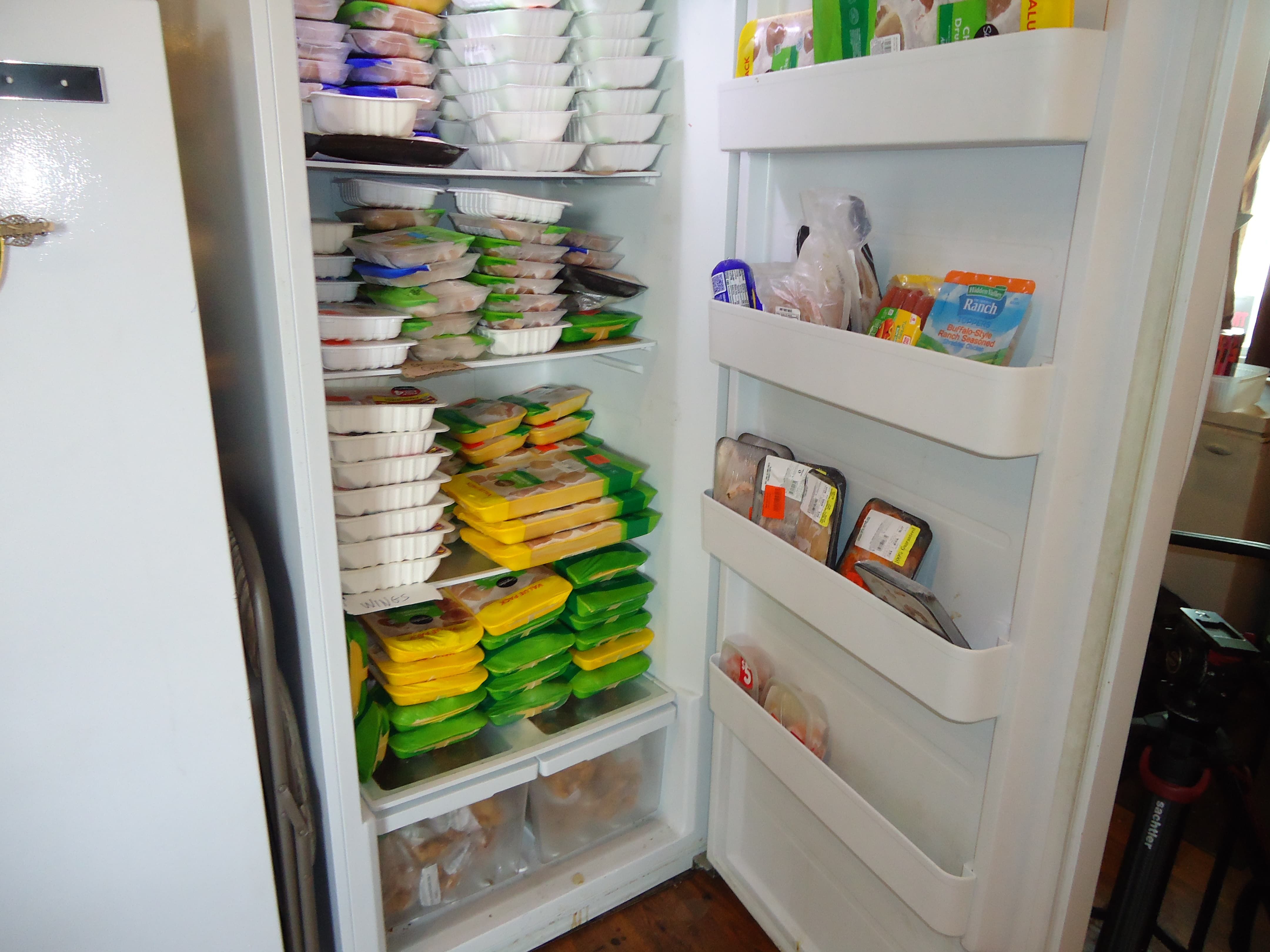
Boxes are stacked throughout the room. Fresh produce fills shelves and tables. There are loaves of bread, desserts and pantry staples. Open one of the freezers and you'll find stacks of chicken, steaks and other proteins.
Along one hallway are hundreds of reusable glass jars and containers. None of it sits still for very long.
“Nothing goes to waste here. If we have tomatoes that are getting overripe, we turn that into salsa and start jarring it for our families.”
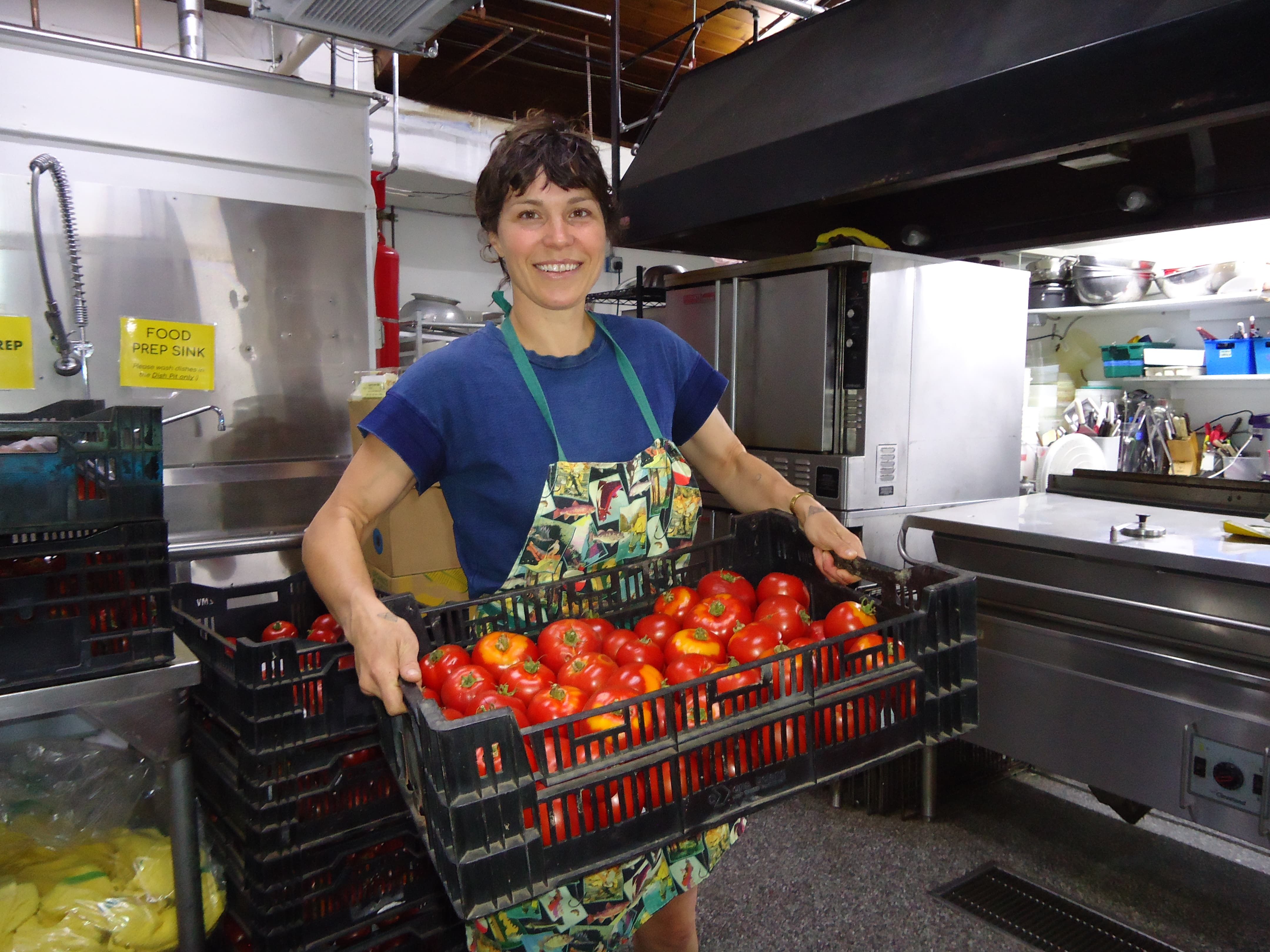
That's the rhythm of this place. Food comes in. Volunteers sort it. Refrigerate it. Freeze it. Preserve it. Put it on a shelf. Move it somewhere else. Whatever it takes to give good food enough time to get eaten.
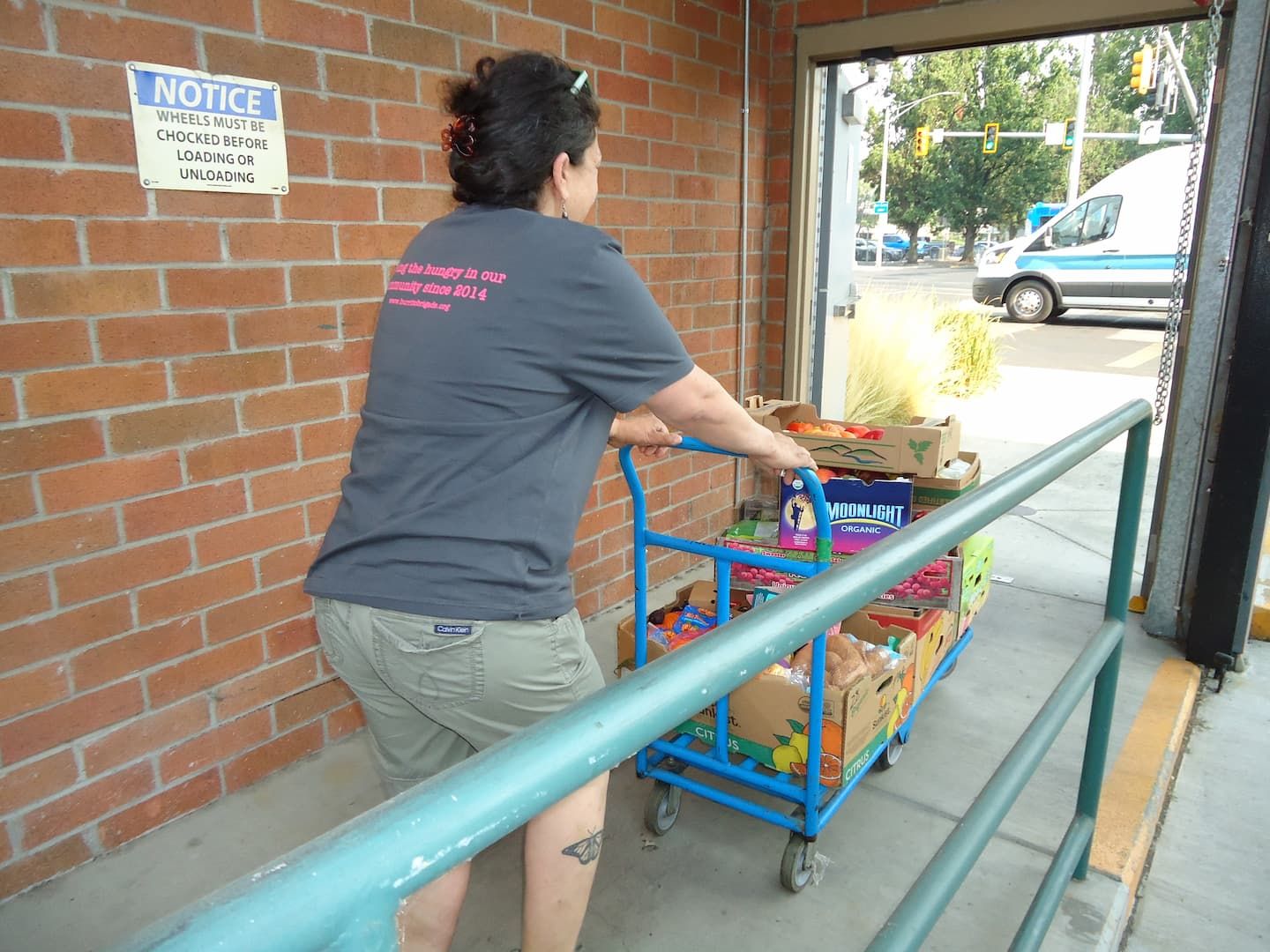
Jennifer is getting ready to make another run. Today, she's heading to a local grocery store. The store has food it can no longer sell. Some of it doesn't look quite good enough for the shelf. Some foods need to be cooked soon. Other items have reached a date that means it's time to move them along.
Each week, Burrito Brigade makes pickups like this from grocery stores and other partners around the community. The van fills up, sometimes all the way to the top, and then everything comes back here.
That's when something unusual happens. The food goes shopping again. Waste to Taste is arranged more like a small neighborhood market than a traditional food pantry. Families schedule a time to visit. When they arrive, they walk the shelves and choose what they want to take home.
There isn't a box waiting for them that someone else has decided they should eat. If they want the bread, they take the bread. If their kids won't eat something, they leave it for someone who will. If someone has a dietary restriction, an allergy or simply knows what their family likes, they can choose accordingly. There is dignity in that.
There is also something very practical about it. Food doesn't stop being wasted simply because it has been donated. If you give someone something they don't want or can't eat, you've only moved the possibility of waste from one place to another. Here, choice becomes part of the solution.
As the afternoon approaches, volunteers move around the market stocking shelves and getting everything ready for the families who will soon arrive. One volunteer looks around at all of it.
“I'm just glad to help my neighbors eat all this great food so it doesn't end up in the landfill or compost.”
Then comes the part that's difficult to ignore when you're standing in a room surrounded by food.
“It's a shame that we even have food insecurity with this much food in our own community. At least we're doing something about it.”
During the summer months, Waste to Taste alone can serve around 250 families in a week. And “waste” starts to feel like a strange word for what you're looking at. The chicken in the freezer isn't waste. The bread isn't waste. The produce isn't waste. It came from the same grocery stores where people shop every day.
Waste is simply what it would become if nobody got to it in time. Jennifer and the volunteers at Burrito Brigade keep getting to it. That instinct has been there since the beginning.
It all started with a burrito. A warm, inexpensive meal that could be made in large numbers, wrapped up and carried directly to someone who was hungry.
More than ten years later, volunteers still gather every weekend to make them. Today, roughly 600 to 800 burritos go out across the community on a typical weekend.
Some are delivered by car. Some by bicycle. Some by people walking through the community and handing another person something warm to eat.
“The need in our community has been immense,” Jennifer says. “We're so glad that we can help keep all this great food from going to waste while feeding our community.”
Spend enough time here and you begin to notice that nearly everything Burrito Brigade does follows the same simple logic.
A grocery store has food it can't sell. Go get it. A tomato is getting too ripe. Make salsa. Someone needs groceries. Let them shop. A neighborhood needs easier access to food. Put a pantry there. Someone is hungry. Hand them a burrito.
There are enormous systems behind both food waste and hunger. There are reasons food becomes surplus and reasons people struggle to get enough of it. None of those problems are particularly simple.
But some of the things we can do about them are.